Guide · Healthy Eating
Anti-Inflammatory Foods List: What to Eat and Why
An anti inflammatory diet isn't a restrictive plan — it's a pattern built around whole foods that supply omega-3s, polyphenols, and antioxidants. Here's the specific anti inflammatory foods list we cook from, the compound in each that does the work, and easy meals to put them on the table this week.
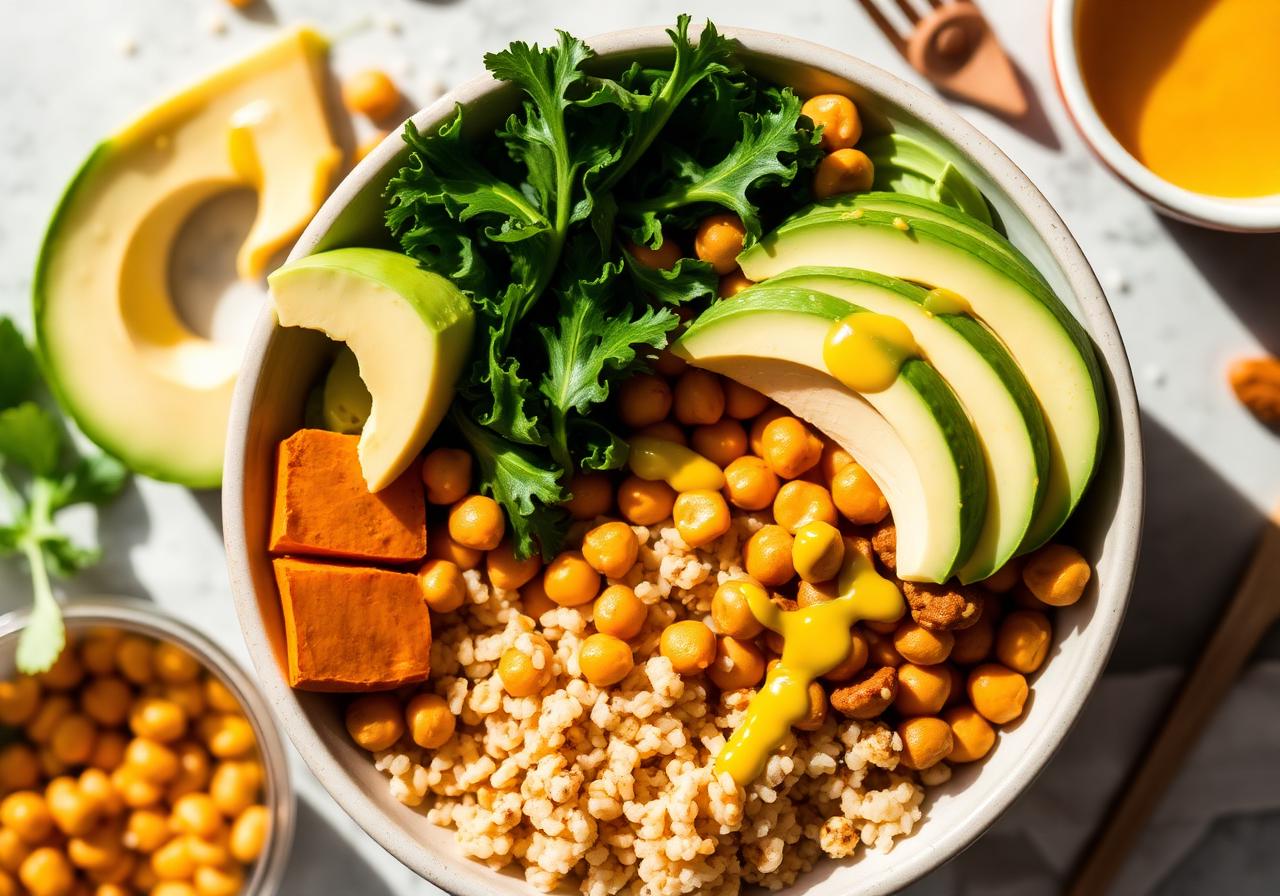
Chronic, low-grade inflammation is now recognized as a driver of heart disease, type 2 diabetes, and joint pain. The good news: the foods with the strongest anti-inflammatory track record are the same foods that make up a Mediterranean-style diet — the most-studied dietary pattern for reducing inflammation-linked disease risk, per Harvard T.H. Chan School of Public Health.
The anti-inflammatory foods list (with the compound that does the work)
| Food group | Examples | Key compound | Serving suggestion |
|---|---|---|---|
| Fatty fish | Salmon, sardines, mackerel, herring | EPA + DHA omega-3s | 2 servings / week |
| Leafy greens | Spinach, kale, arugula, Swiss chard | Vitamin K, folate, lutein | 1–2 cups daily |
| Berries | Blueberries, strawberries, raspberries | Anthocyanins | ½–1 cup daily |
| Extra-virgin olive oil | Cold-pressed EVOO | Oleocanthal, polyphenols | 2–4 tbsp daily |
| Nuts & seeds | Walnuts, almonds, flaxseed, chia | ALA omega-3s, vitamin E | 1 small handful daily |
| Turmeric & ginger | Fresh or dried, in curries and teas | Curcumin, gingerols | 1 tsp turmeric with black pepper + fat |
| Legumes | Lentils, chickpeas, black beans | Fiber, polyphenols | 3+ servings / week |
| Tomatoes | Cooked tomatoes, tomato paste | Lycopene (best absorbed cooked in fat) | 2–3 servings / week |
| Dark chocolate | 70%+ cacao | Flavanols | 1 small square daily |
| Green tea | Matcha, sencha, brewed green | EGCG catechins | 2–3 cups daily |
Why these foods work
Omega-3 fatty acids (fatty fish, walnuts, flax)
EPA and DHA — the long-chain omega-3s found in fatty fish — are precursors to specialized pro-resolving mediators (resolvins, protectins) that actively switch off the inflammatory response. Plant sources like walnuts, flaxseed, and chia supply ALA, which the body converts to EPA at a modest rate.
Polyphenols (olive oil, berries, tea, dark chocolate)
Polyphenols are plant compounds that quench free radicals and modulate inflammatory signaling pathways (notably NF-κB). Extra-virgin olive oil is especially notable for oleocanthal, which behaves in the body somewhat like a low-dose ibuprofen — one of the reasons Mediterranean cooking keeps showing up in cardiovascular studies.
Anthocyanins (berries, red cabbage, purple sweet potato)
The pigments that make berries deep blue and red are anthocyanins — a well-studied subclass of polyphenols linked to lower CRP (C-reactive protein) markers. A daily half-cup of frozen berries in a smoothie or oatmeal is one of the cheapest, most reliable moves on this list.
Curcumin (turmeric)
Curcumin has been studied for joint pain, IBD flare-ups, and post-exercise recovery. Absorption is the catch: pair turmeric with black pepper (piperine can boost bioavailability up to ~2000%) and a fat source — a golden-milk latte, a turmeric-tahini dressing, or the turmeric-ginger bowls below.
Foods to eat vs. foods to limit
| Eat freely | Limit |
|---|---|
| Salmon, sardines, mackerel | Processed meats (hot dogs, bacon, deli meats) |
| Extra-virgin olive oil, avocado | Refined seed oils used at high heat, deep-fried foods |
| Whole grains: oats, quinoa, farro, brown rice | Refined grains: white bread, most breakfast cereals |
| Water, unsweetened tea, coffee | Sugar-sweetened beverages and sodas |
| Whole fruit (especially berries and cherries) | Added sugar and ultra-processed sweets |
| Herbs, spices, garlic, ginger, turmeric | Excess alcohol (more than 1 drink/day for women, 2 for men) |
Recipes that put this list on your plate
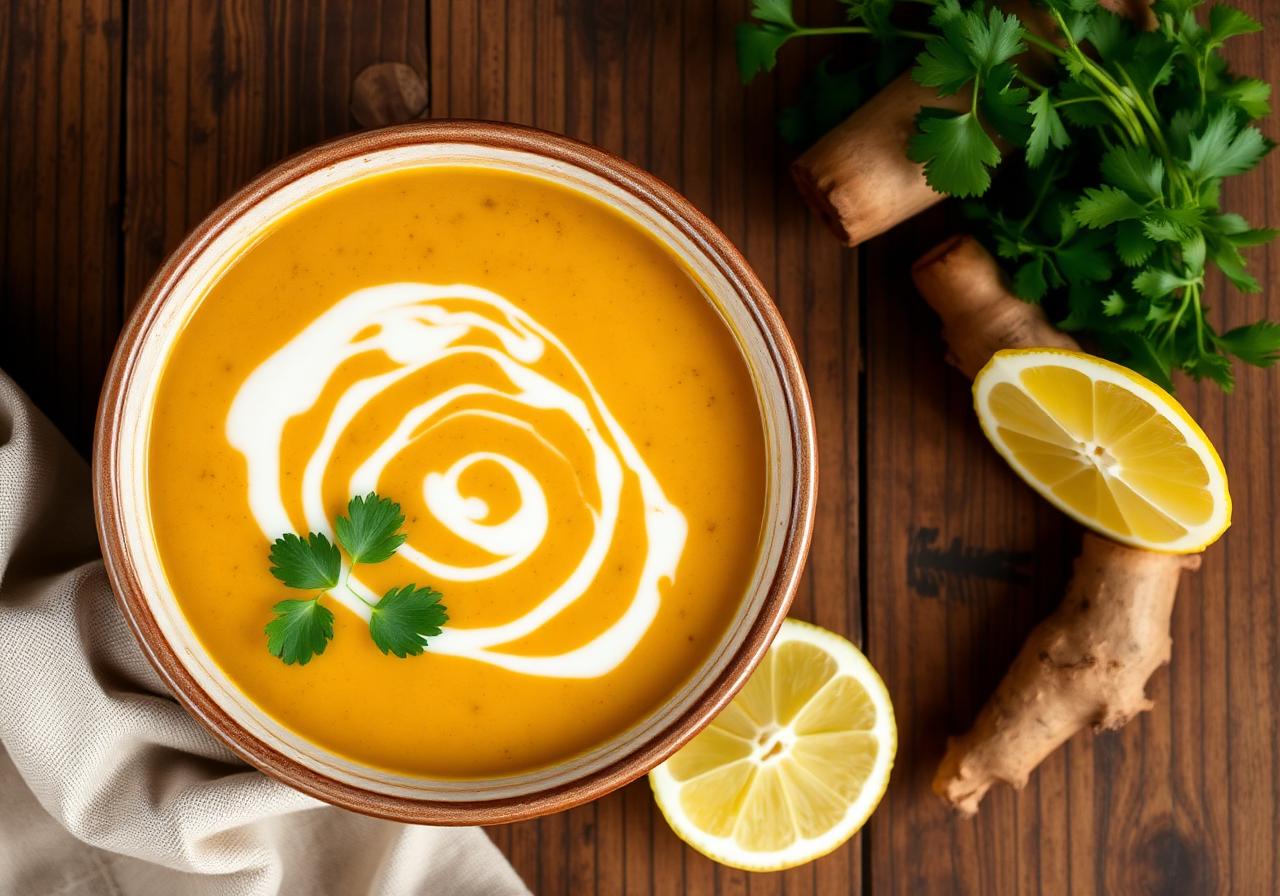
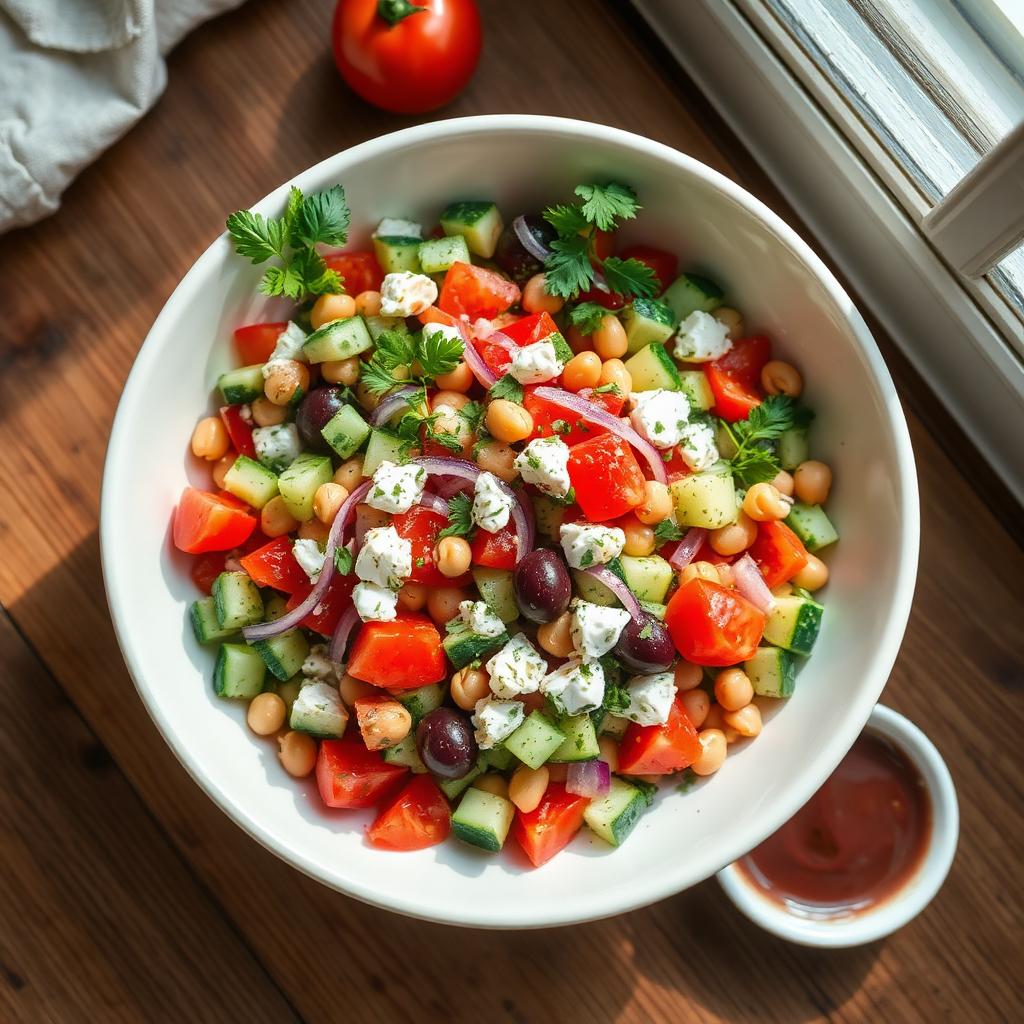
Three of our most-cooked healthy recipes are built directly on the compounds in the table above — turmeric, ginger, lentils, olive oil, and Mediterranean vegetables:
A one-day sample anti-inflammatory menu
- Breakfast: Steel-cut oats with ½ cup blueberries, 1 tbsp ground flax, and a spoonful of almond butter.
- Lunch: Golden turmeric lentil soup with a big handful of arugula and a drizzle of EVOO.
- Snack: Small handful of walnuts + a square of 70%+ dark chocolate.
- Dinner: Roasted salmon with lemon, a Mediterranean chopped salad, and a scoop of quinoa.
- Drink: Two cups of green tea across the day, water otherwise.
Frequently asked questions
What is an anti-inflammatory diet, exactly?
It's a way of eating built around whole foods rich in omega-3 fatty acids, antioxidants, and polyphenols — fatty fish, leafy greens, berries, nuts, extra-virgin olive oil, and spices like turmeric and ginger — while limiting ultra-processed foods, refined sugar, and industrial seed oils. The Mediterranean diet is the best-studied version of this pattern.
Which foods should I eat every day?
Aim for daily servings of leafy greens, a source of monounsaturated fat (EVOO, avocado, or nuts), and colorful produce that supplies polyphenols (berries, tomatoes, peppers). Add fatty fish two to three times a week for EPA and DHA.
Is turmeric really anti-inflammatory, or is that overhyped?
Curcumin has well-documented anti-inflammatory activity in lab and clinical settings. It's poorly absorbed on its own, so pair turmeric with black pepper and a fat source — which traditional curries and golden-milk dishes already do.
What should I limit?
The strongest evidence points to ultra-processed foods, added sugars and sugary drinks, refined grains, processed meats, and excess alcohol. You don't need to eliminate any single food — pattern beats perfection.