Guide
How Much Protein Do You Actually Need Per Day?
Ignore the loudest voice on the internet. The right number depends on your body weight, your age, and whether you're on the couch or under a barbell — and the math is simpler than the debate suggests.
The U.S. Recommended Dietary Allowance (RDA) for protein is 0.36 grams per pound of body weight per day — the minimum needed to prevent deficiency in a healthy, sedentary adult. That's a floor, not a target. Reference: MedlinePlus — Protein in diet. If you lift, run, or are over 65, you almost certainly need more than the RDA — often significantly more.
The daily-protein cheat sheet by group
These are the numbers most sports-nutrition and geriatric-nutrition bodies now converge on. Multiply the "grams per pound" column by your body weight to get your personal daily target.
| Who | Grams per lb / day | Example for 160 lb adult |
|---|---|---|
| Sedentary adult (RDA floor) | 0.36 g | ~58 g |
| Recreationally active adult | 0.5–0.65 g | 80–105 g |
| Strength / endurance training | 0.7–1.0 g | 112–160 g |
| Fat loss (protecting muscle) | 0.8–1.1 g | 128–176 g |
| Adults over 65 | 0.45–0.55 g | 72–88 g |
| Pregnancy (2nd & 3rd trimester) | 0.5 g | ~80 g |
| Children 4–13 | 0.43 g | – |
Values from NIH ODS, the International Society of Sports Nutrition position stand on protein, and the U.S. Dietary Guidelines. Use the higher end if you're actively training, cutting calories, or over 65.
What that looks like on a plate
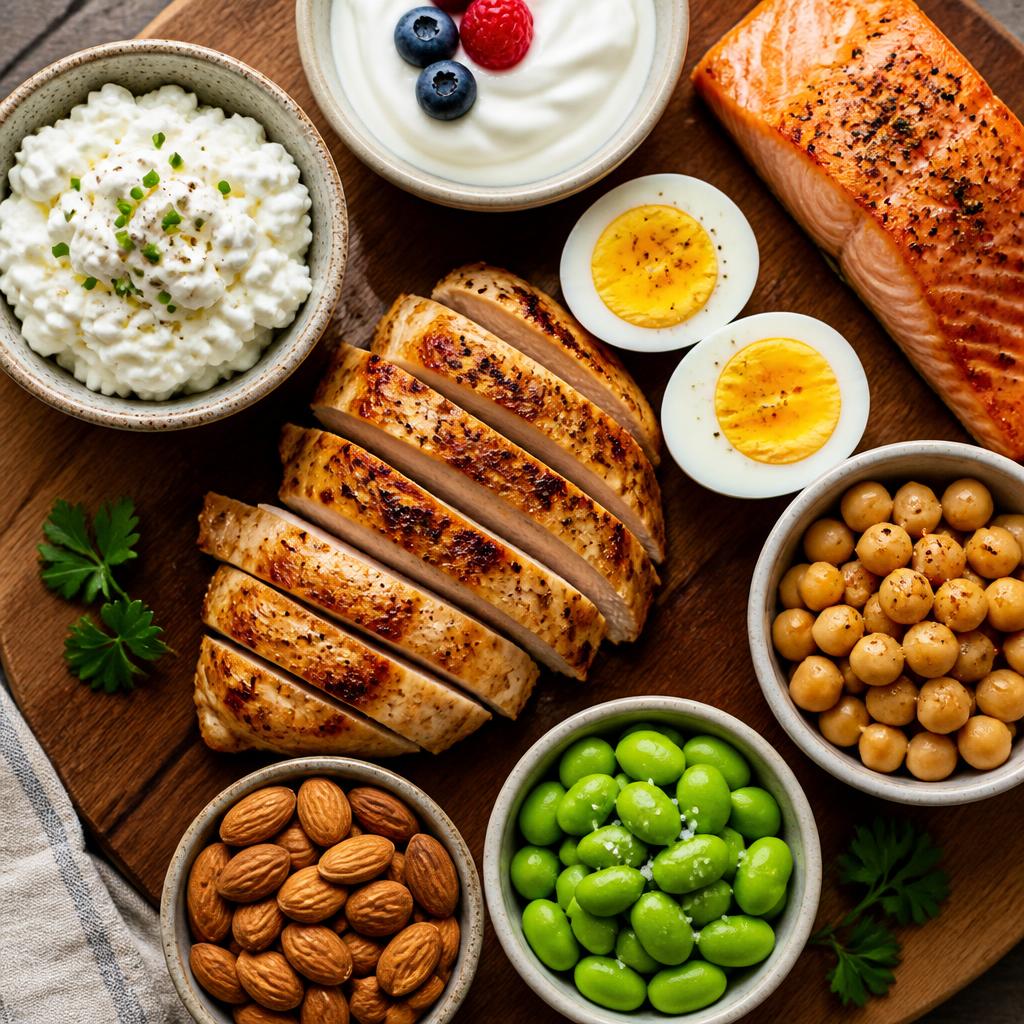
The "eat more protein" advice falls apart when you translate it into actual meals. Here's what common foods deliver per standard serving — round numbers, easy to plan against:
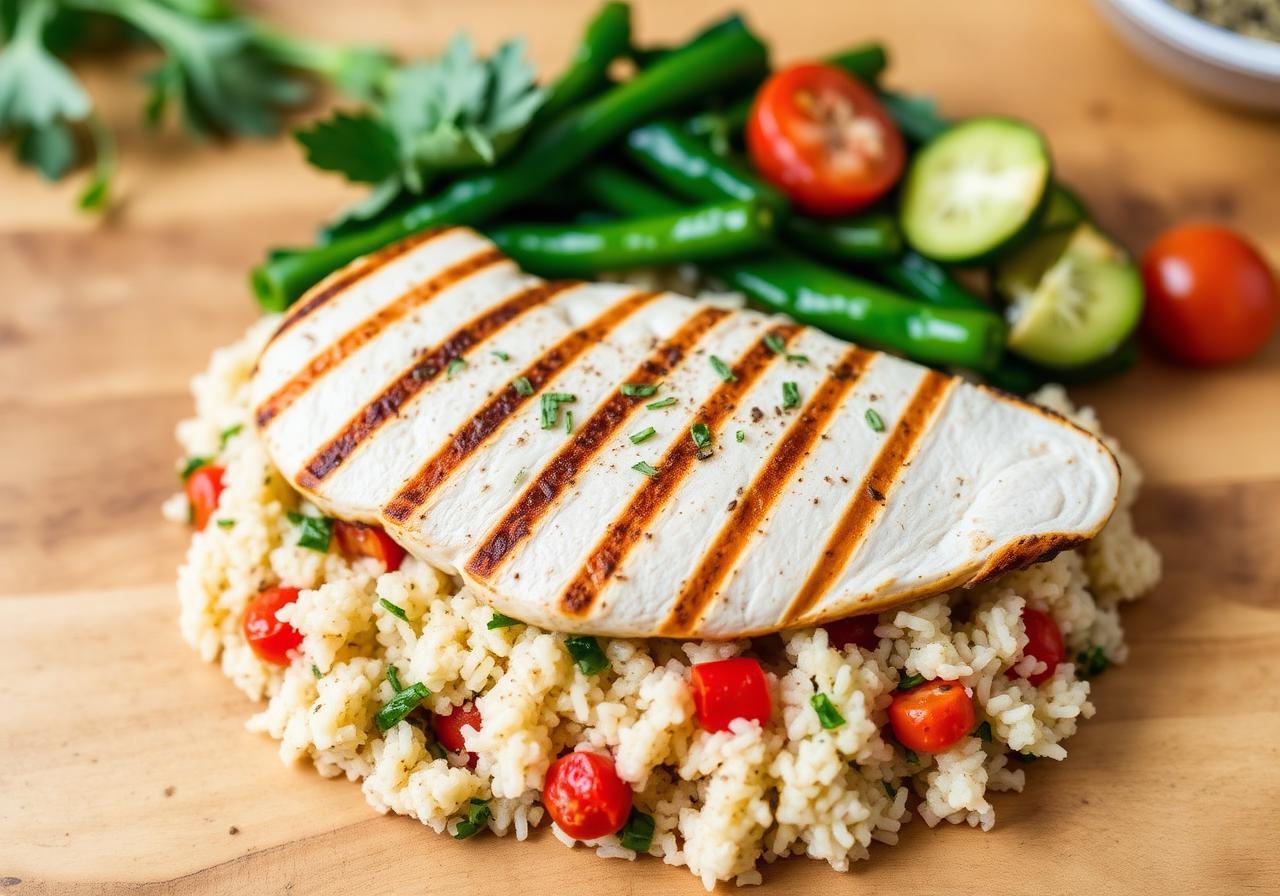
- Chicken breast (6 oz cooked) — about 42 g. One breast covers a full meal target for most people.
- Salmon (6 oz cooked) — about 38 g, plus omega-3s.
- Greek yogurt, 2% (¾ cup) — about 17 g. The base of our high-protein overnight oats.
- Cottage cheese (1 cup) — about 25 g. Cheap, shelf-friendly, and low-fat.
- Eggs (2 large) — about 12 g. Add a third for breakfast to clear 18 g.
- Lean ground beef 93/7 (4 oz cooked) — about 24 g.
- Tofu, firm (½ block, 7 oz) — about 20 g.
- Lentils, cooked (1 cup) — about 18 g, plus 16 g of fiber.
- Whey protein isolate (1 scoop) — about 25 g. Useful when your appetite is smaller than your target.
The three myths people still repeat
"High protein is bad for your kidneys."
For healthy adults with normal kidney function, no controlled trial has shown intakes up to about 1.6 g per pound per day to cause kidney damage. People with existing chronic kidney disease are the exception and should follow medical guidance.
"You can only absorb 30 g of protein per meal."
Your body absorbs all the protein you eat; the 30 g figure refers to the ceiling on how much a single dose maximally stimulates muscle protein synthesis. Eating more per meal is not wasted — it just doesn't add more synthesis in that one window.
"Plant protein doesn't build muscle."
A varied plant-based diet (beans + grains + soy + nuts) provides all essential amino acids and, at similar total intake, produces comparable muscle-building results in training studies. You may need roughly 10–20% more total plant protein to match an animal-protein diet gram-for-gram.
A simple daily template
If you're aiming for 130 g of protein (a reasonable target for a 160 lb active adult), the math is easier than it sounds:
- Breakfast (~30 g): Greek yogurt + berries + a scoop of protein or two eggs on toast.
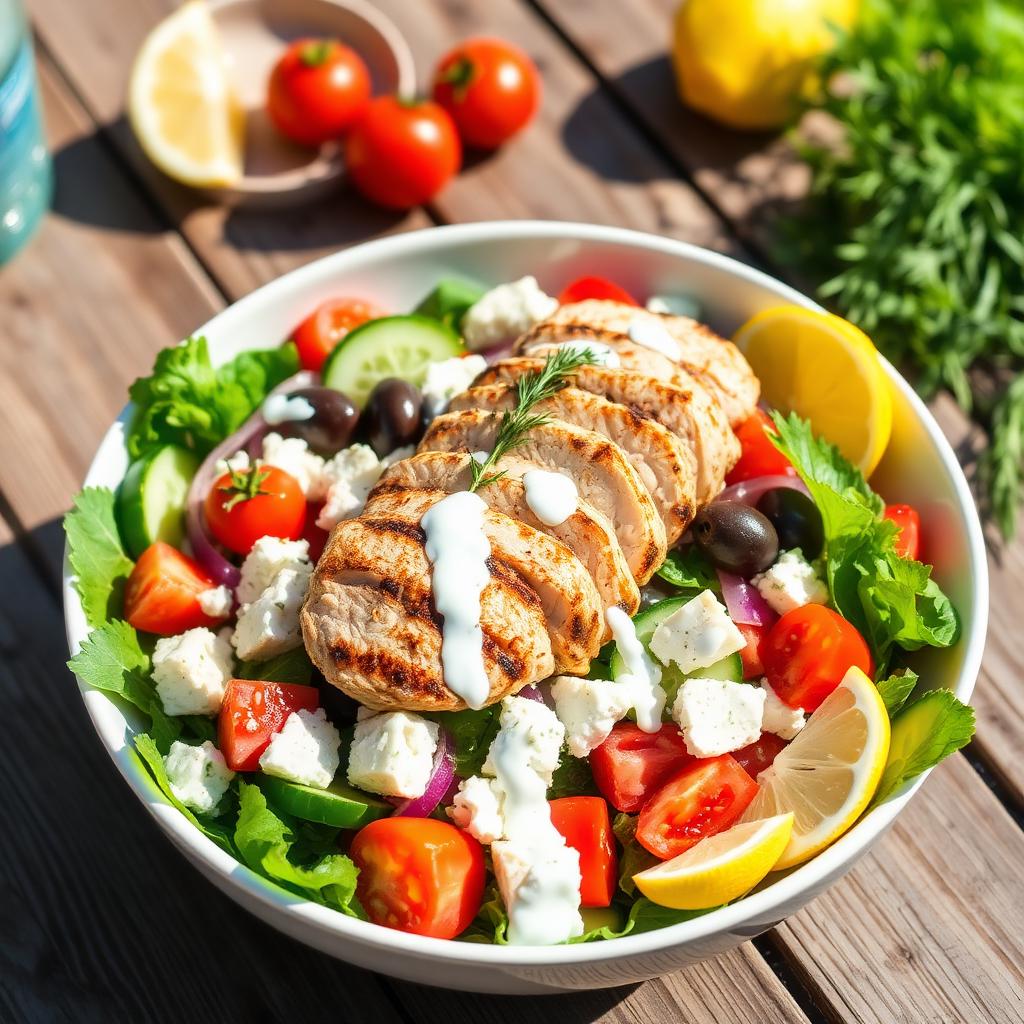
- Lunch (~40 g): A big salad with 5–6 oz grilled chicken, like our High-Protein Greek Salad with Grilled Chicken.
- Snack (~15 g): Cottage cheese with fruit, or a small handful of jerky.
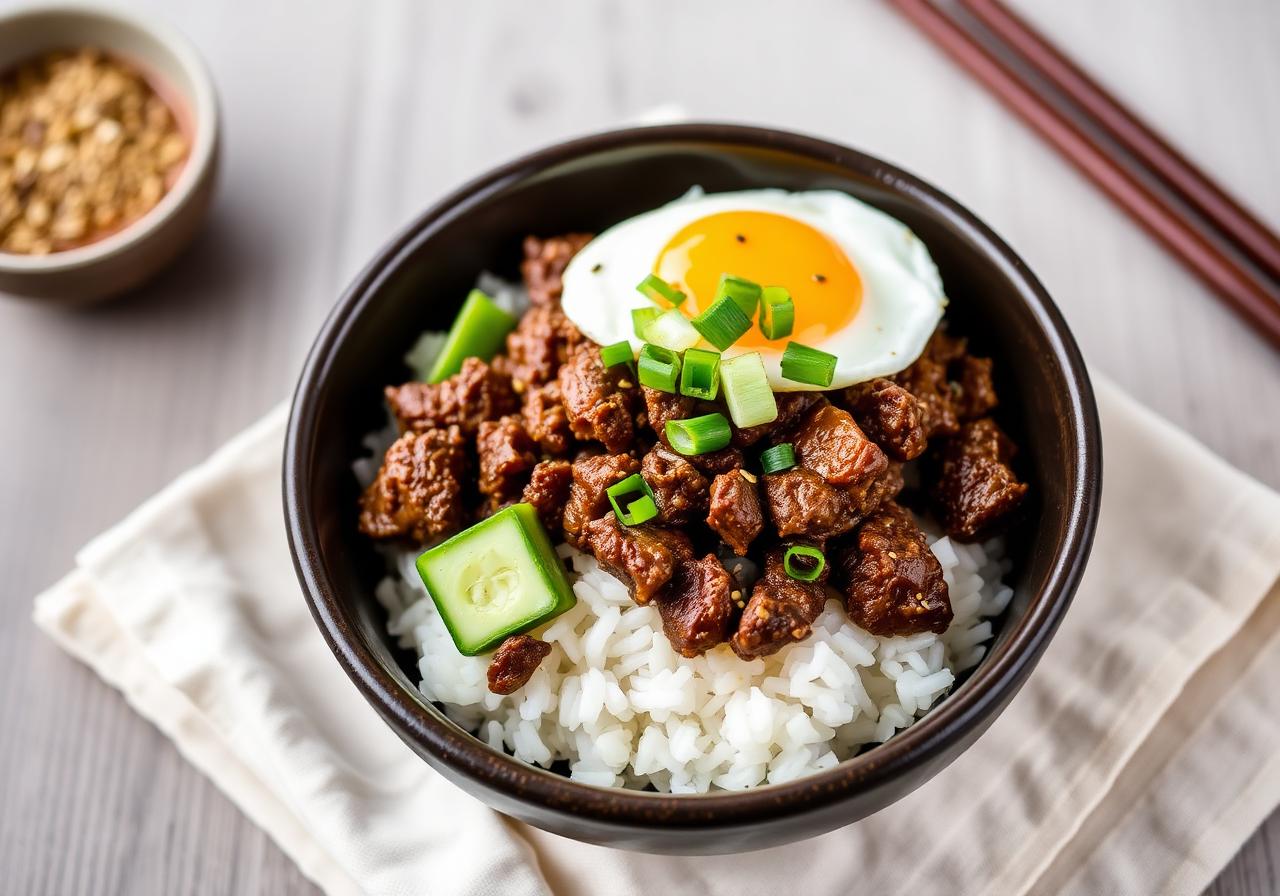
- Dinner (~45 g): 6–8 oz of salmon, steak, or a bulgogi-style rice bowl.
Frequently asked questions
Is 100 grams of protein a day enough?
For a sedentary adult under about 275 lb, yes — 100 g clears the RDA. If you're strength training, 100 g is the floor rather than the target; aim closer to 0.7–1.0 g per pound if you're actively building or preserving muscle.
Can I eat too much protein?
For healthy adults with normal kidney function, intakes up to about 1.6 g per pound per day have not been shown to cause harm. The practical ceiling is appetite and grocery budget, not physiology. Anyone with existing kidney disease should follow their doctor's guidance.
Do I need to eat protein at every meal?
You don't have to, but spreading protein across 3–4 meals of 25–40 g gives your muscles a steadier supply of amino acids than a single dinner spike. Total daily intake still matters more than the timing.
Are plant proteins as good as animal proteins?
Individually, most plant proteins are lower in one or more essential amino acids than meat, eggs, or dairy. Eating a variety across the day closes the gap — you may need roughly 10–20% more total plant protein to match an equivalent animal-protein diet.
How much protein do older adults need?
Adults over 65 use dietary protein less efficiently and lose muscle faster. Most current guidelines recommend 0.45–0.55 g per pound of body weight — about 25% above the adult RDA — to help preserve strength.
High-protein recipes
Every recipe below hits at least 25 g of protein per serving without gimmicks: